I am a creative man interested in electronics, photography and fixing everything possible and impossible. Here's a random overview of some of the things I spent some time on.
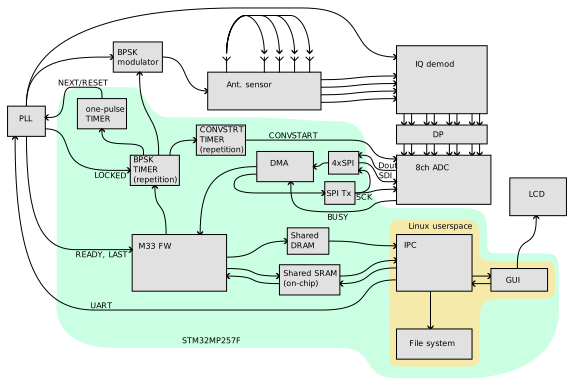
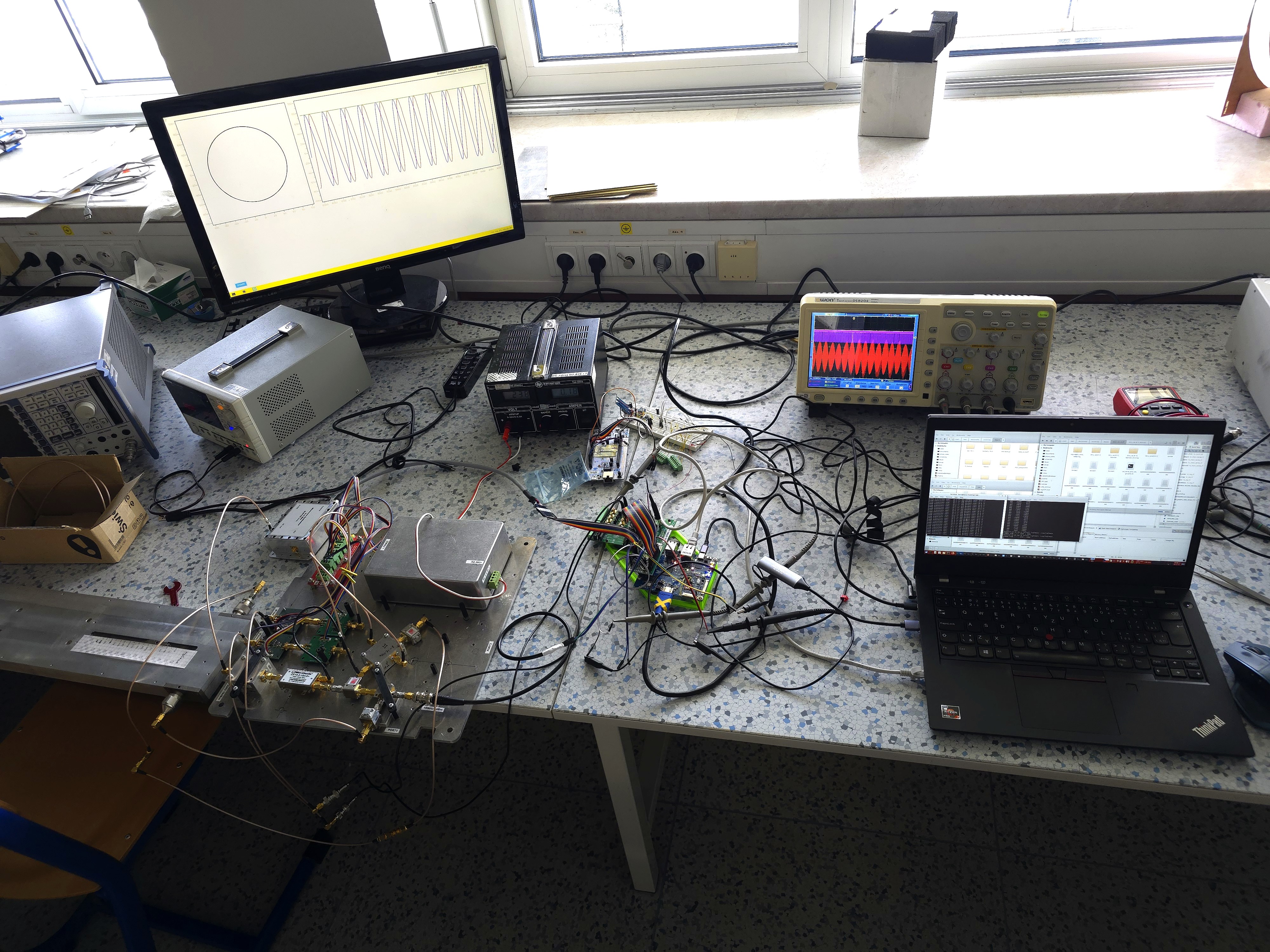
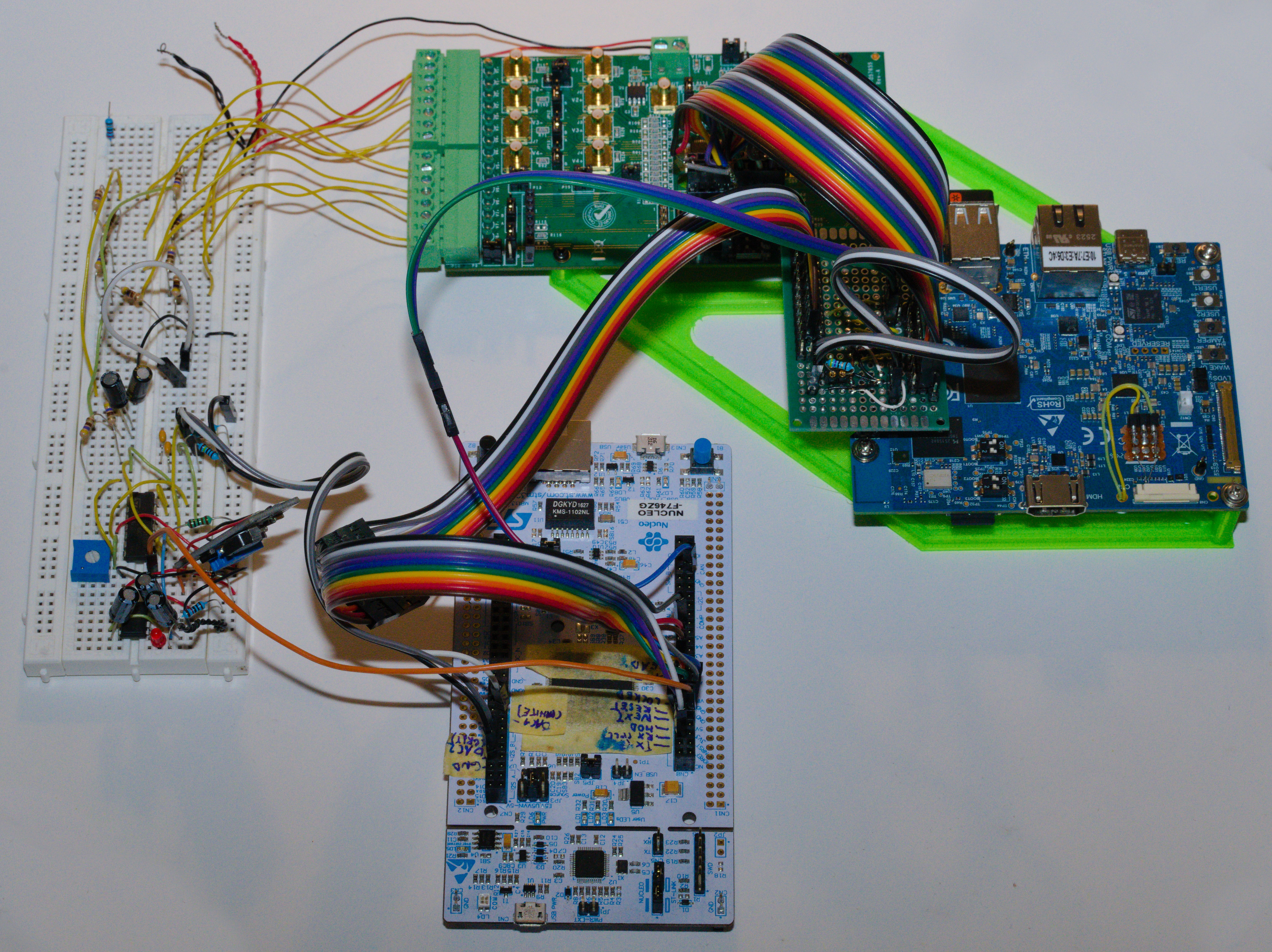
In my master's thesis, I was developing digital part of a 4-channel VNA for a project of the EMF department of the university. The thesis text is here (in Czech). It was based on STM32MP257, which handled controlling the microwave instrumentation, data acquisition from the 8-channel 18-bit 1MSps simulaneous-sampling ADC, data crunching, and input/output and user interface. Hardware control happens in hard real time on bare-metal FW of the M33 core with maximum utilization of the timers, DMA and HW-IO's. The rest of the software runs as a Linux userspace application. Linux runs the main application logic with input/output, user interface, and GUI (using LVGL), which is its own separate application. The two programs are communicating via UNIX named pipes.
Connecting up the entire prototype from devboards turned out to be a major signal integrity struggle because of relatively high data rates from the ADC and number of required alternate functions available only on specific GPIO pins. I had to do major modifications such as expanding the ADC baord's connector with more ground pins, or performing inner-layer surgery on the MPU board to rewire on-board I2C bus onto different MPU pins to free up other required ones.
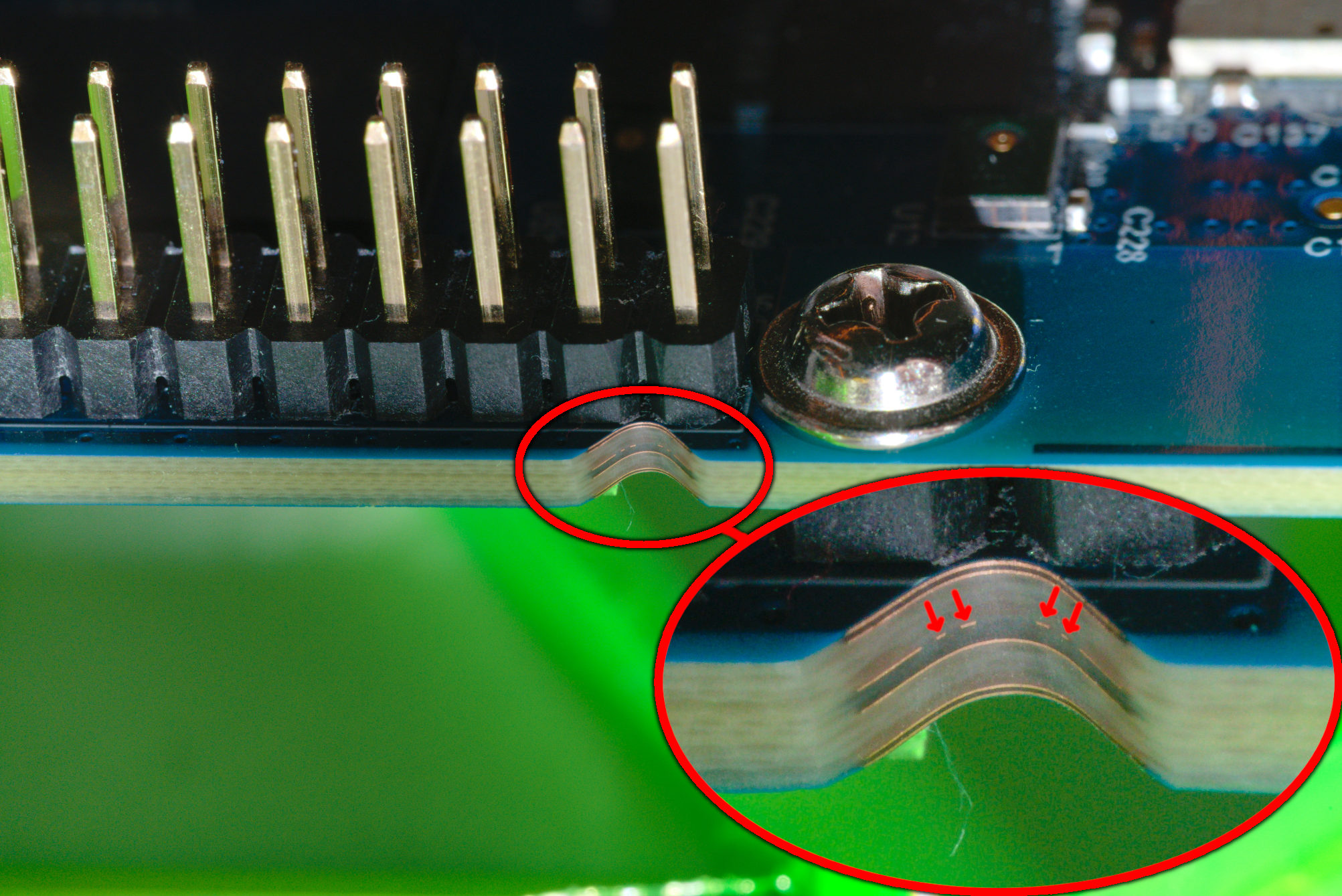
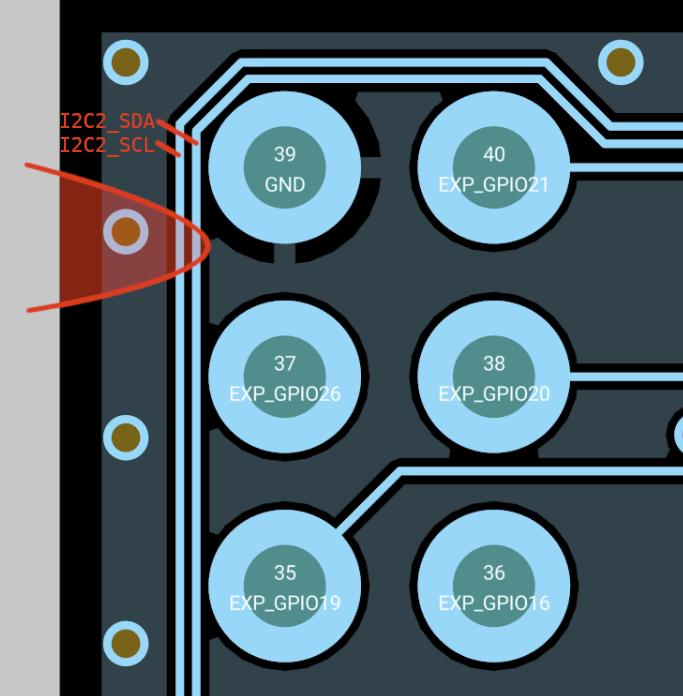
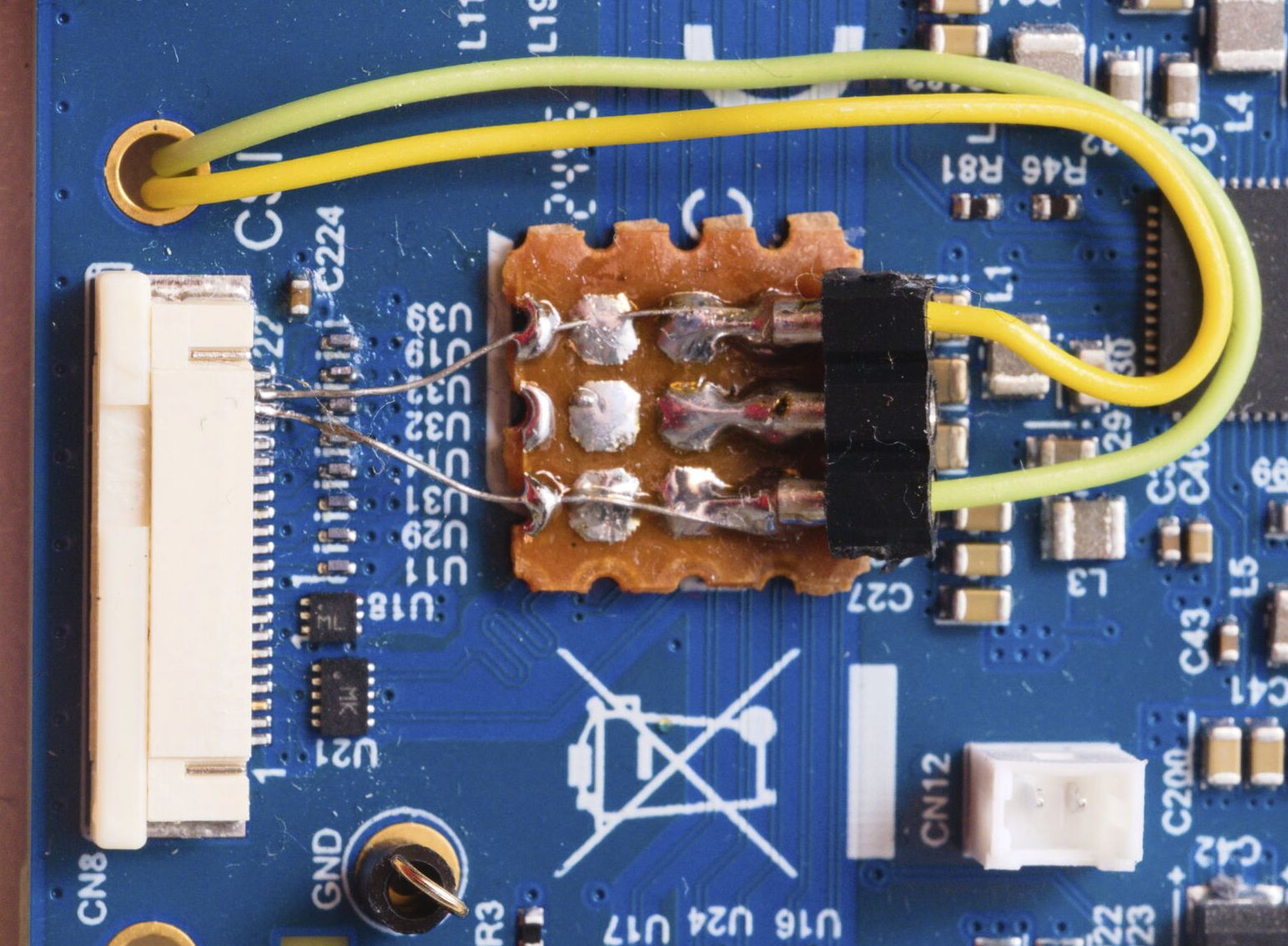
-Disconnecting the on-board I2C peripherals from the original pins and reconnecting to alternative ones.
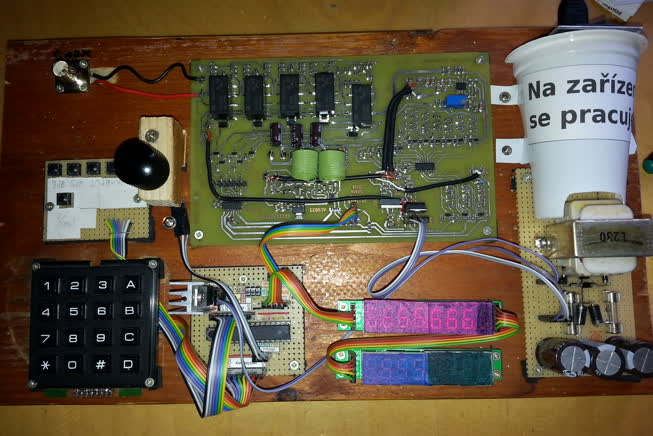
As a final project at my high school, I've designed and built a function generator. User interface consisted of 7-segment displays, rotary encoder and a keypad. The generator also contains digitally-controlled variable gain amplifier. Detailed description of the project (in Czech) is here.
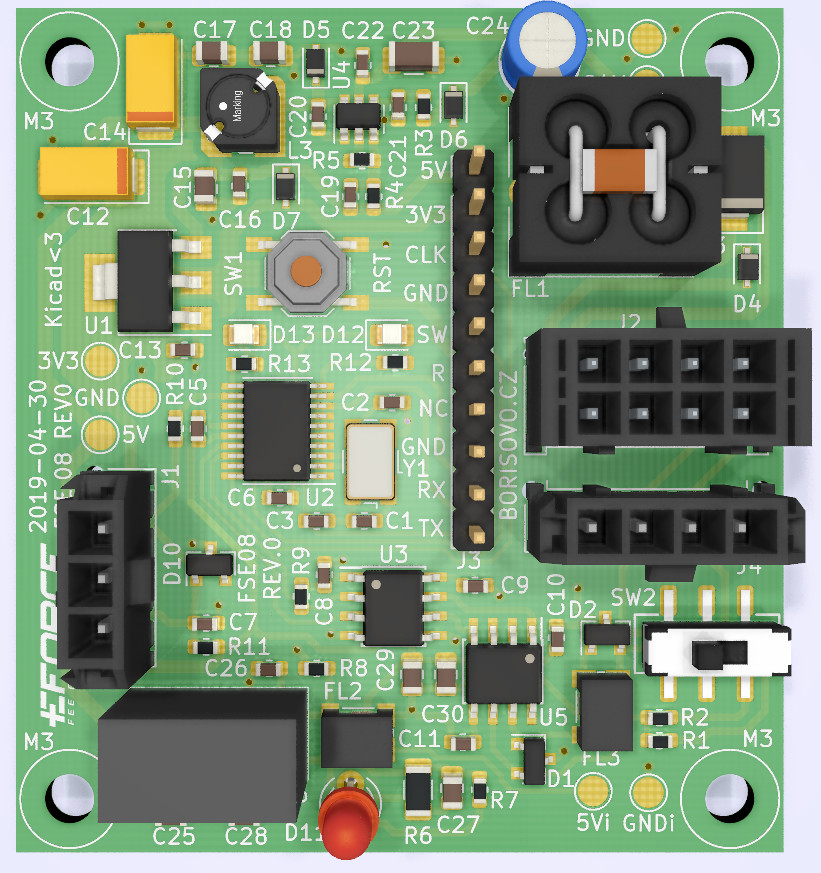
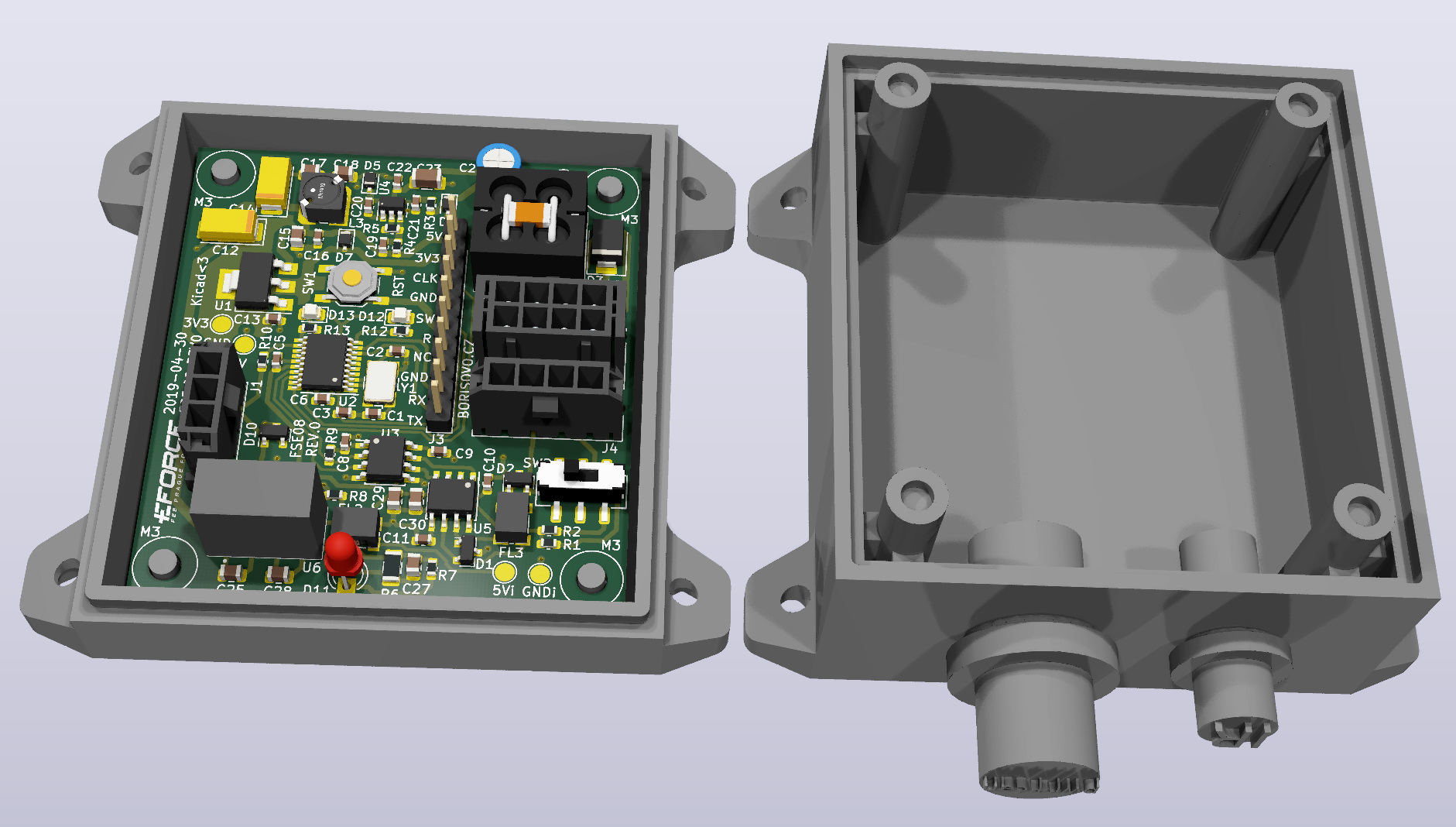
-laptimer PCB and enclosure
During my time in the E-Force electric formula student team, I've designed and built a unit for checkpoint pass detection, including the mechanical enclosure design. The detection was based on infrared transmitters/receivers and the unit was connected to the vehicle's CAN bus. The unit proved to work and measure lap time pretty reliably, but sadly never found permanent place in the car.
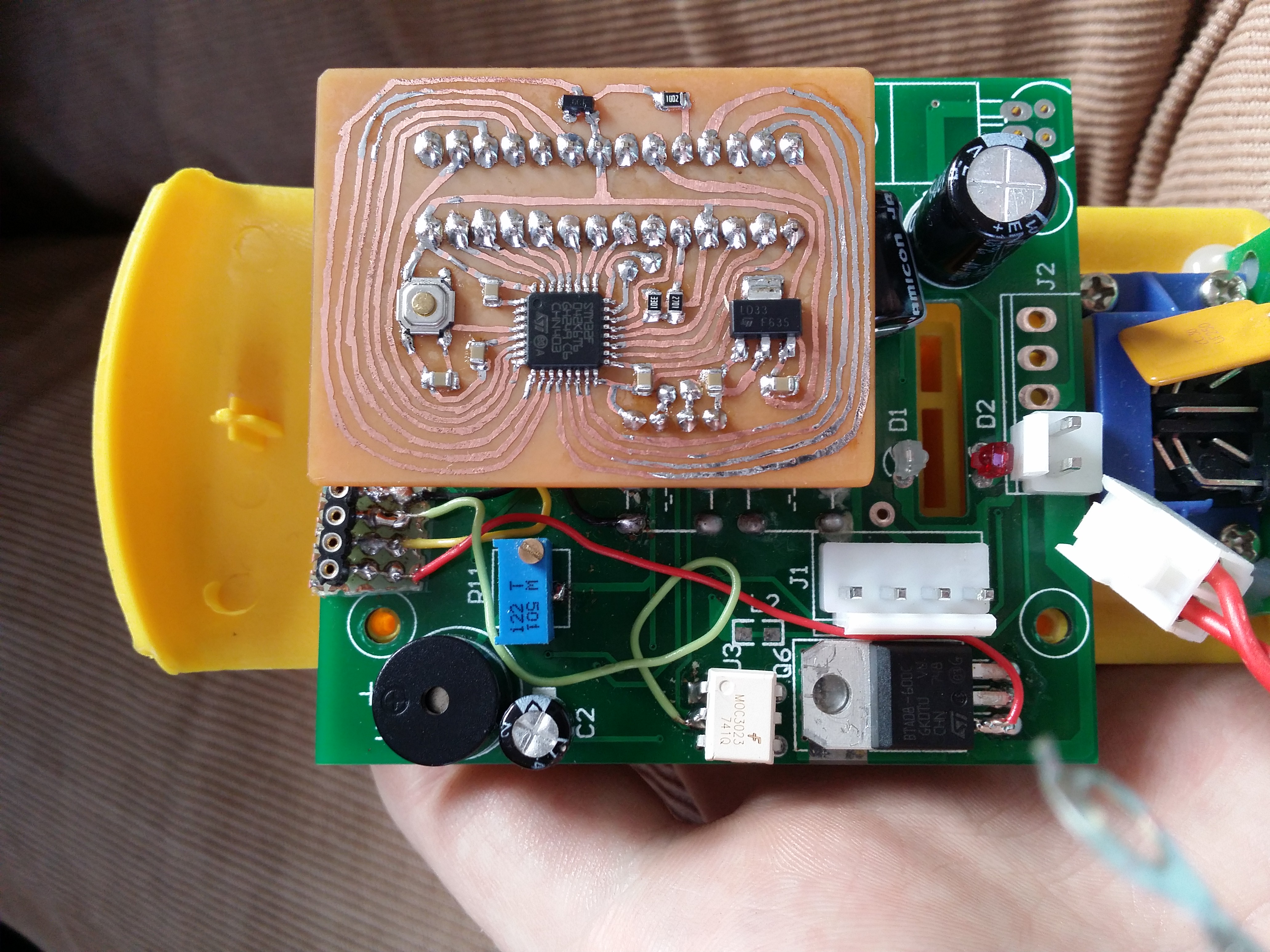
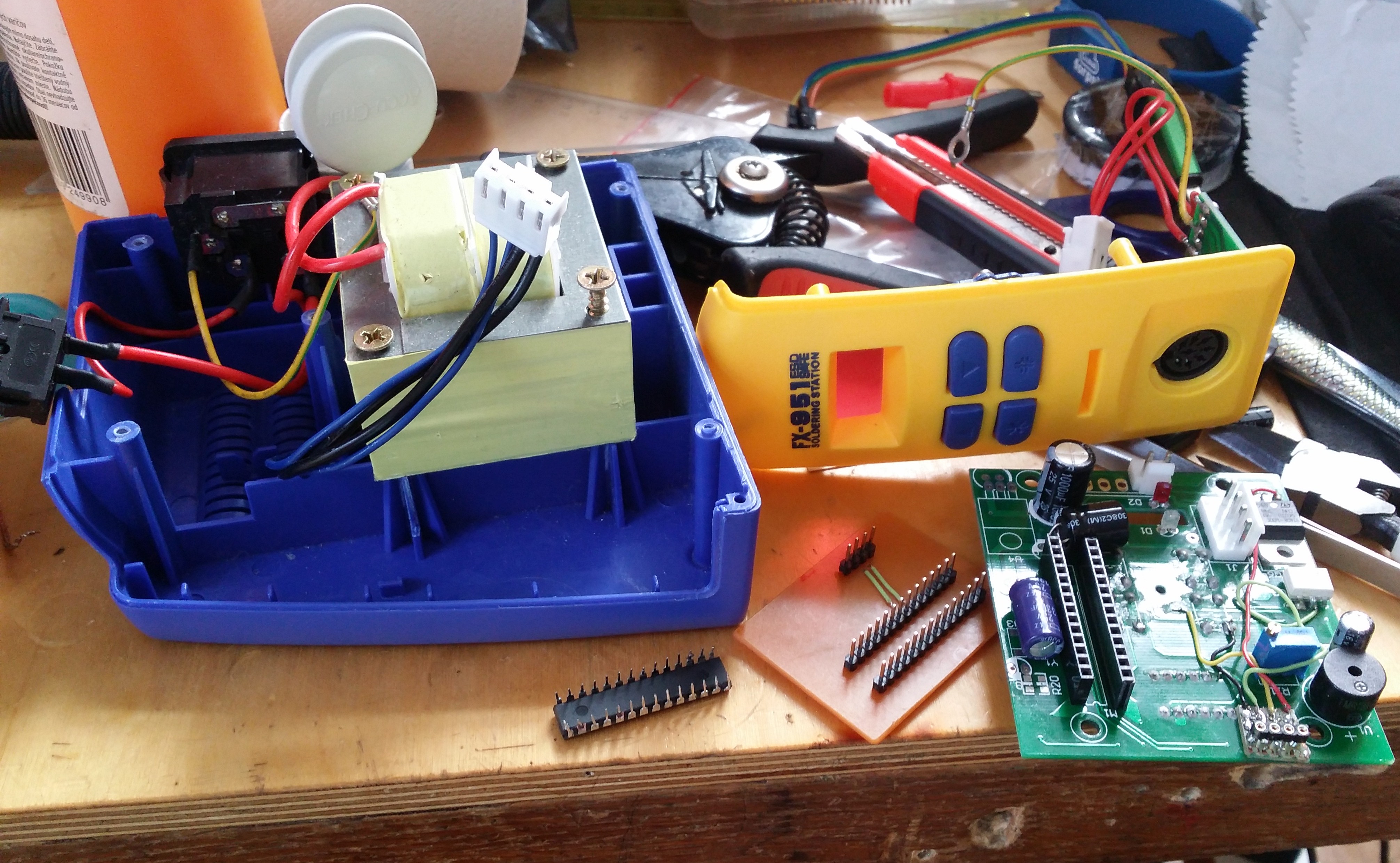
-mezzanine board with STM32F042 inside of the station
When I bought cheap chinese clone of Hakko FX-951 to be my new soldering station, I quickly found its firmware so unusable that I tore it apart, and drew over its schematic with the intention of fixing it. I removed the original Holtek OTP MCU and replaced it with an STM32F042-based mezzanine board. I wrote the firmware from scratch without HAL libraries in C++ (even if using a lot of C-isms). This was a very successful project and it's been my main soldering station for many years now.
Reverse-engineered schematic of the original PCB and my mezzanine board can be found here.
One of the main problems in macrophotography is shallow depth of field, which can not be sufficiently rectified just by closing the aperture due to loss of sharpness from diffraction. Focus stacking is a technique of taking multiple frames at different planes of focus and combining them into one resulting picture with conventionally unachievably high depth of focus.
The slide uses a stepper motor and M3 threaded rod, with the rest being 3D-printed. The whole system is controlled by STM32, which triggers exposure and flash at every planned position. Since automated focus-stacking is an excellent way to speedrun your camera's shutter life, I was using electronic shutter. And since the camera (Sony A7 III) doesn't allow triggering the flash with electronic shutter even at sufficiently slow shutter speeds (which is some 50-100ms for A7 III), the shutter speed is set to very long time and the flash is triggered by the microcontroller.

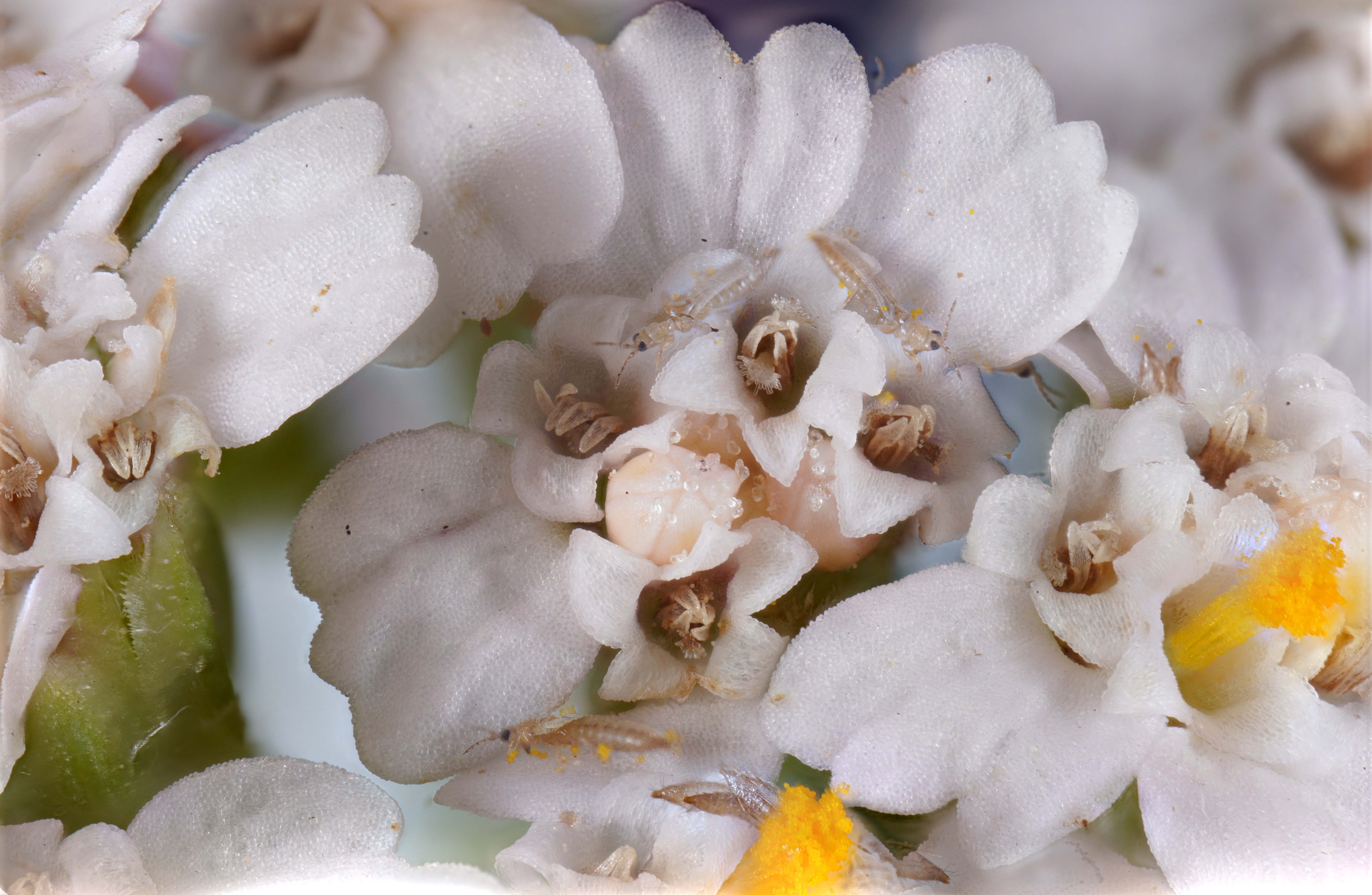
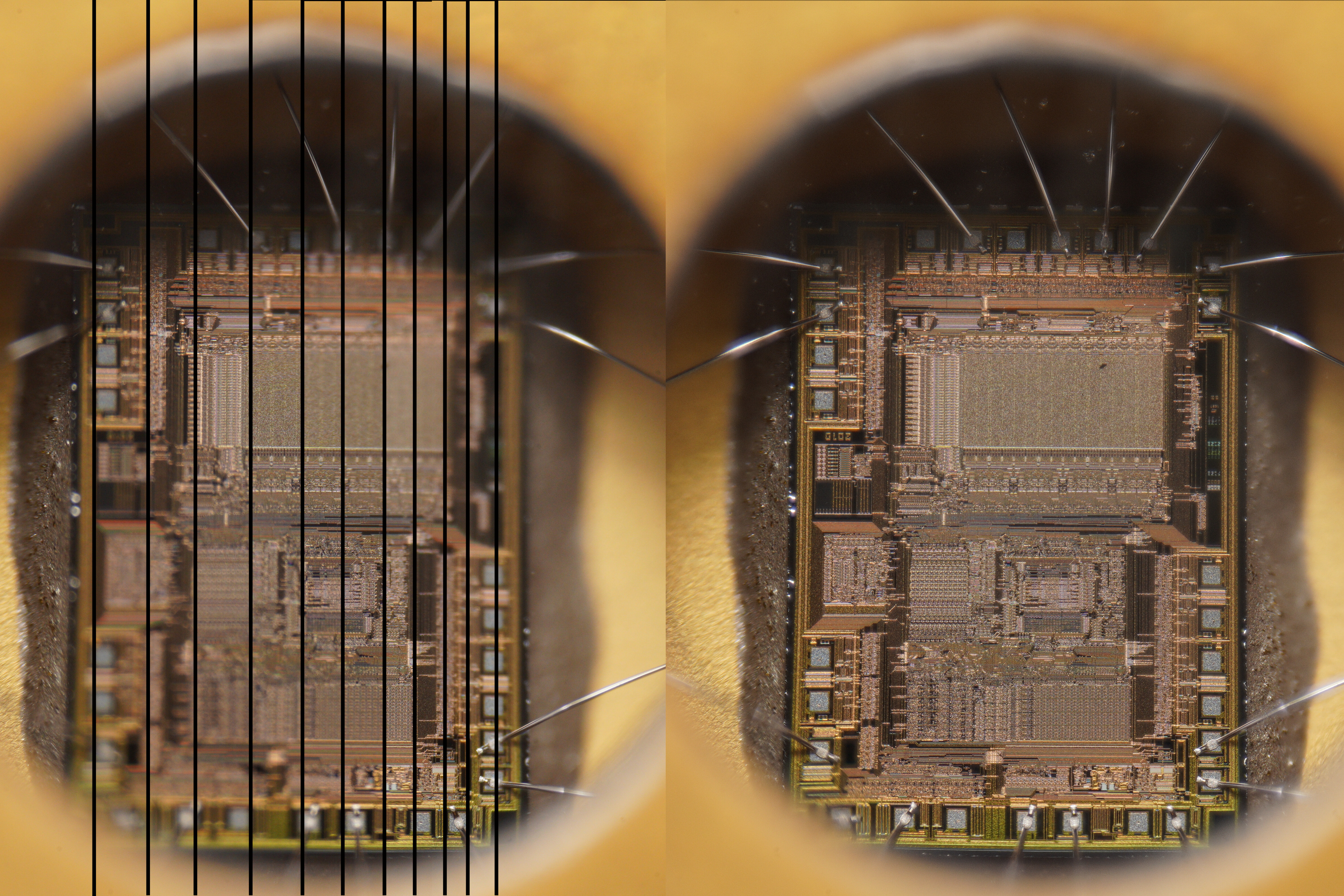
-Macro slide and resulting focus-stacked macro shots. The IC shot contains slices of individual frames (left) next to the combined shot (right). Click the photos for higher resolution.


-RPM control of four fans with an SMPS built from STM32G0 and parts desoldered from HDD PCBs. The 8-pin MCU was enough for PWM output, PWM and voltage feedback, user button, and two SWD pins for debugging. Short description of the project for one university course can be found in a (czech) report here.
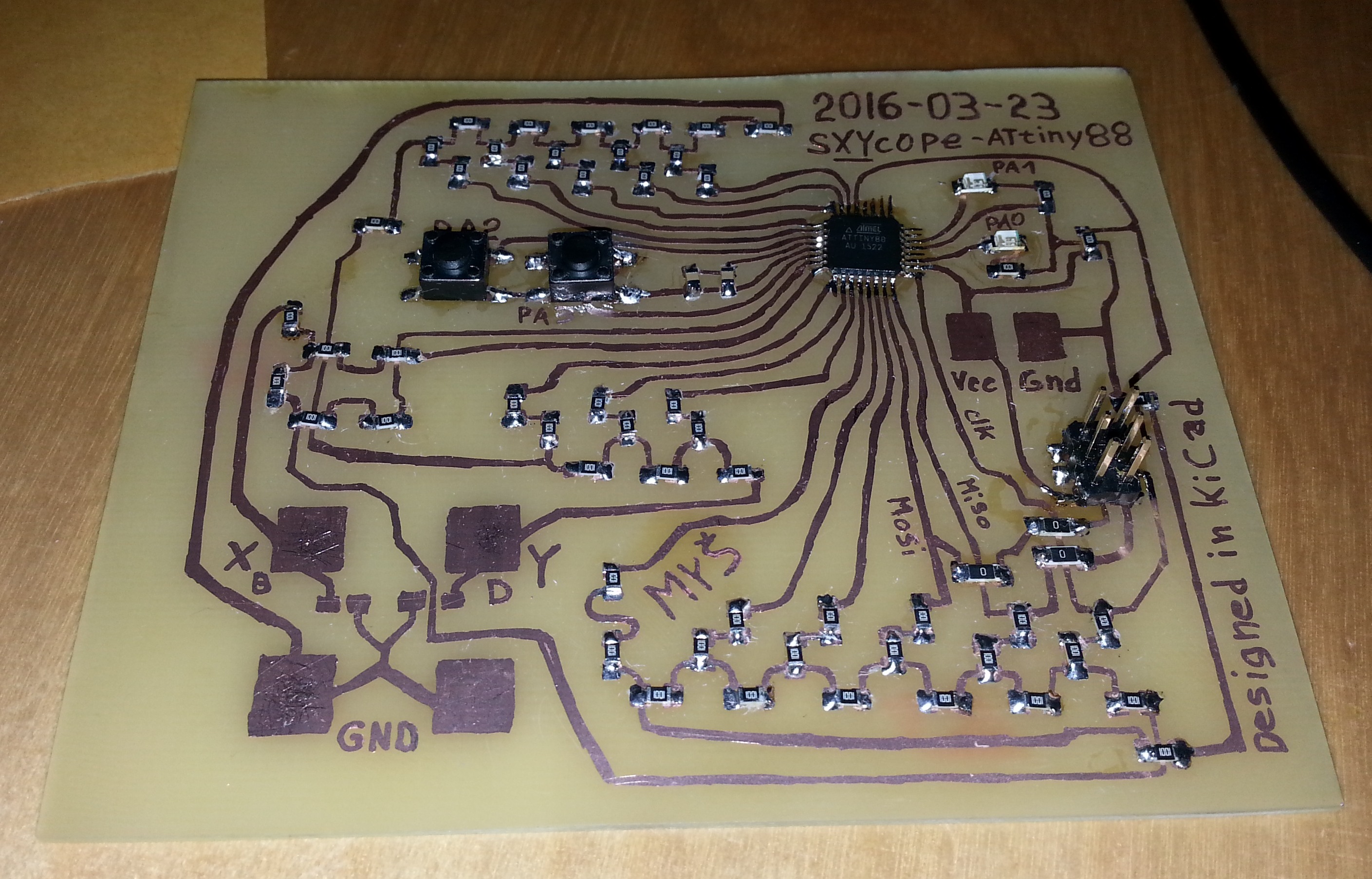
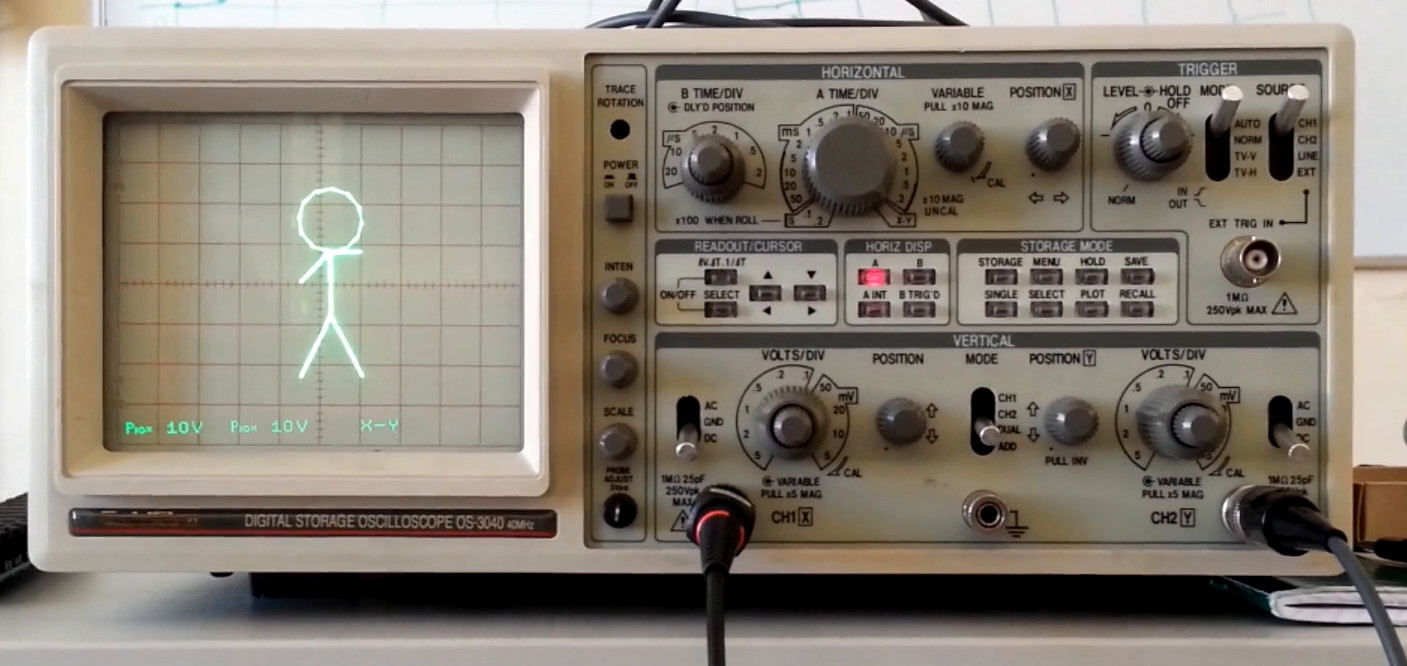
-Oscilloscope images with ATTiny88 driving two R2R DACs
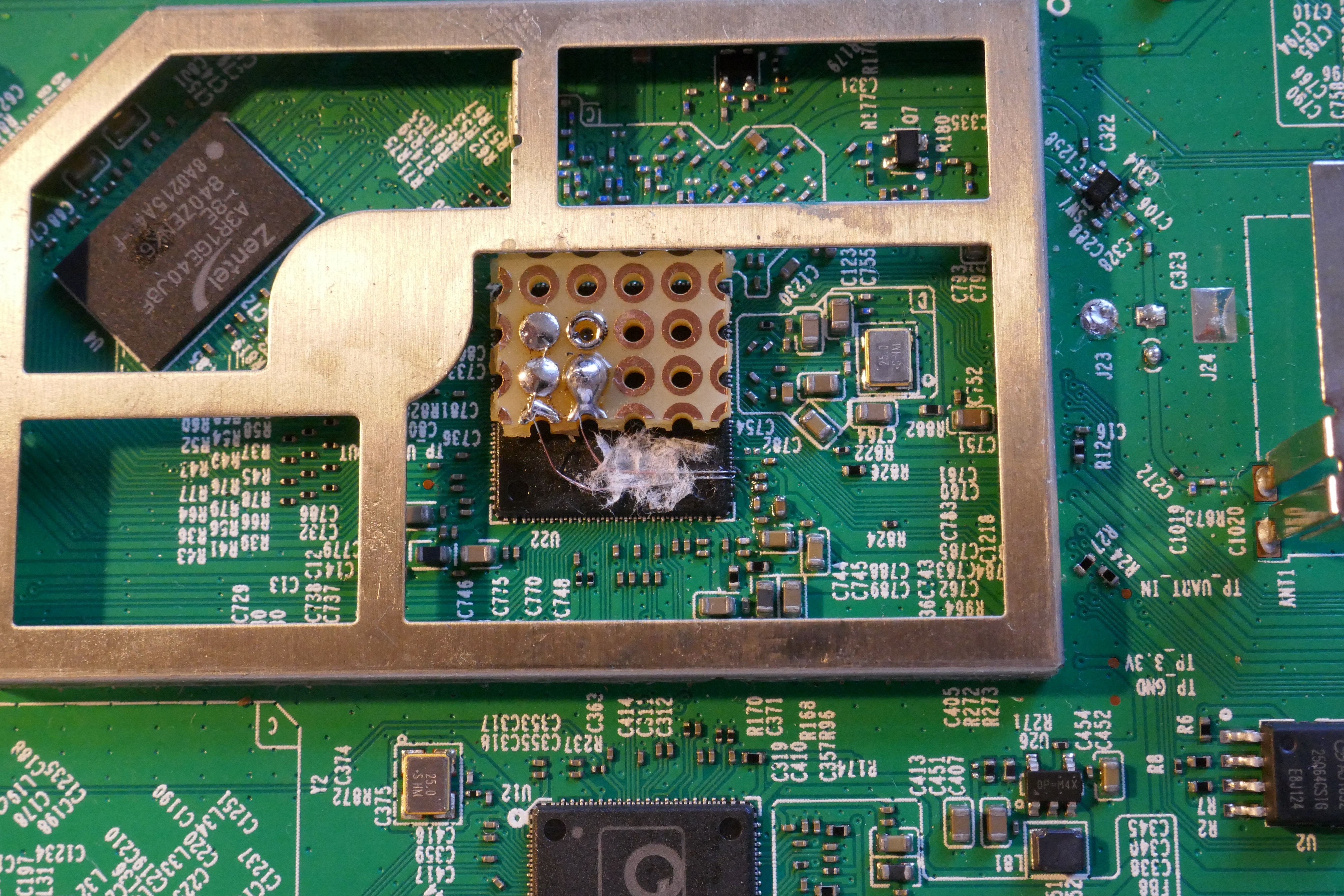
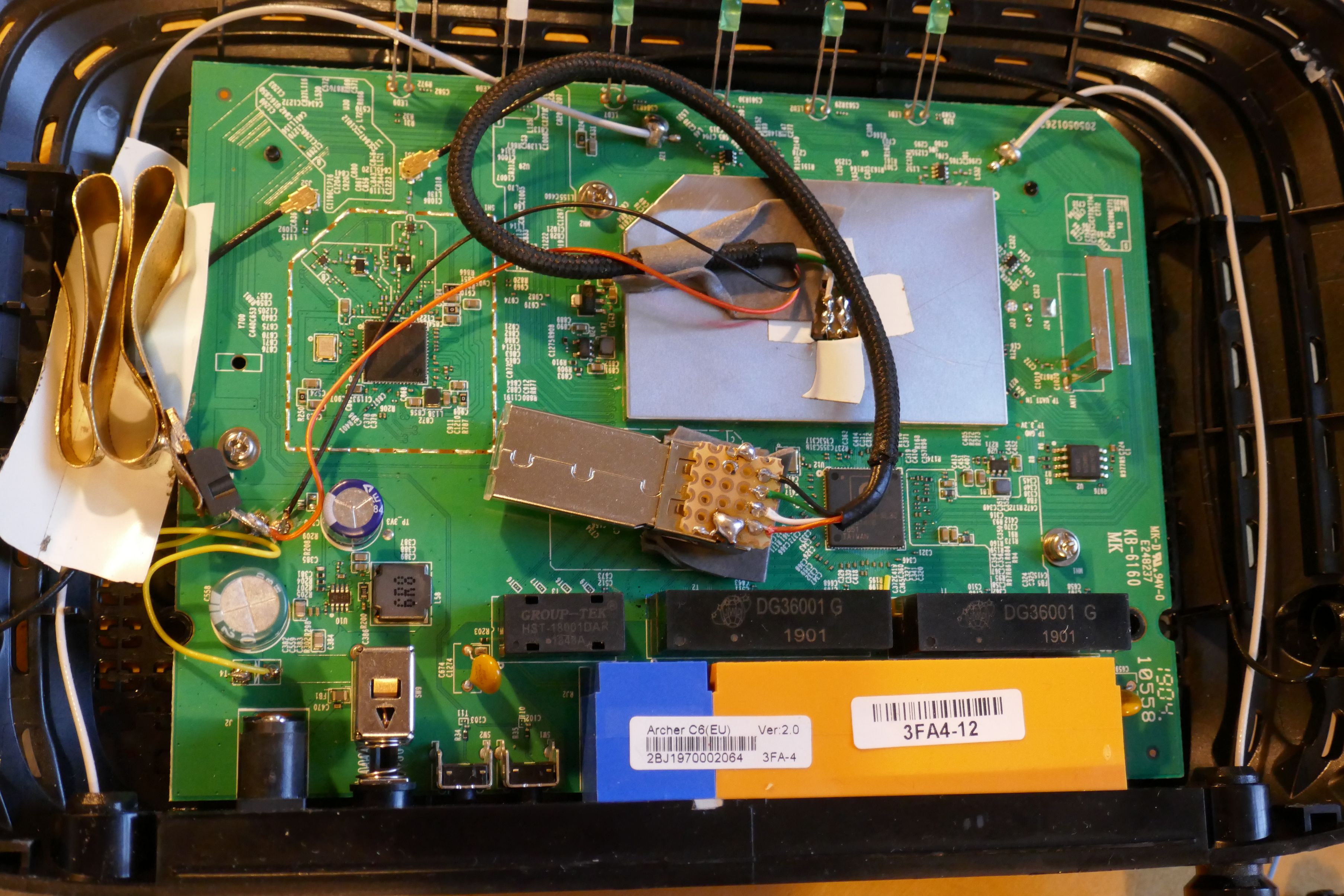
-Router hacking - adding a USB port required soldering of miniscule wires to the dual-row staggered-pin QFN. Both rows of the pins were accessible on the circumference of the chip's leadframe with 0.25mm spacing. Also necessary was compiling custom configuration kernel of OpenWRT to enable the USB drivers.
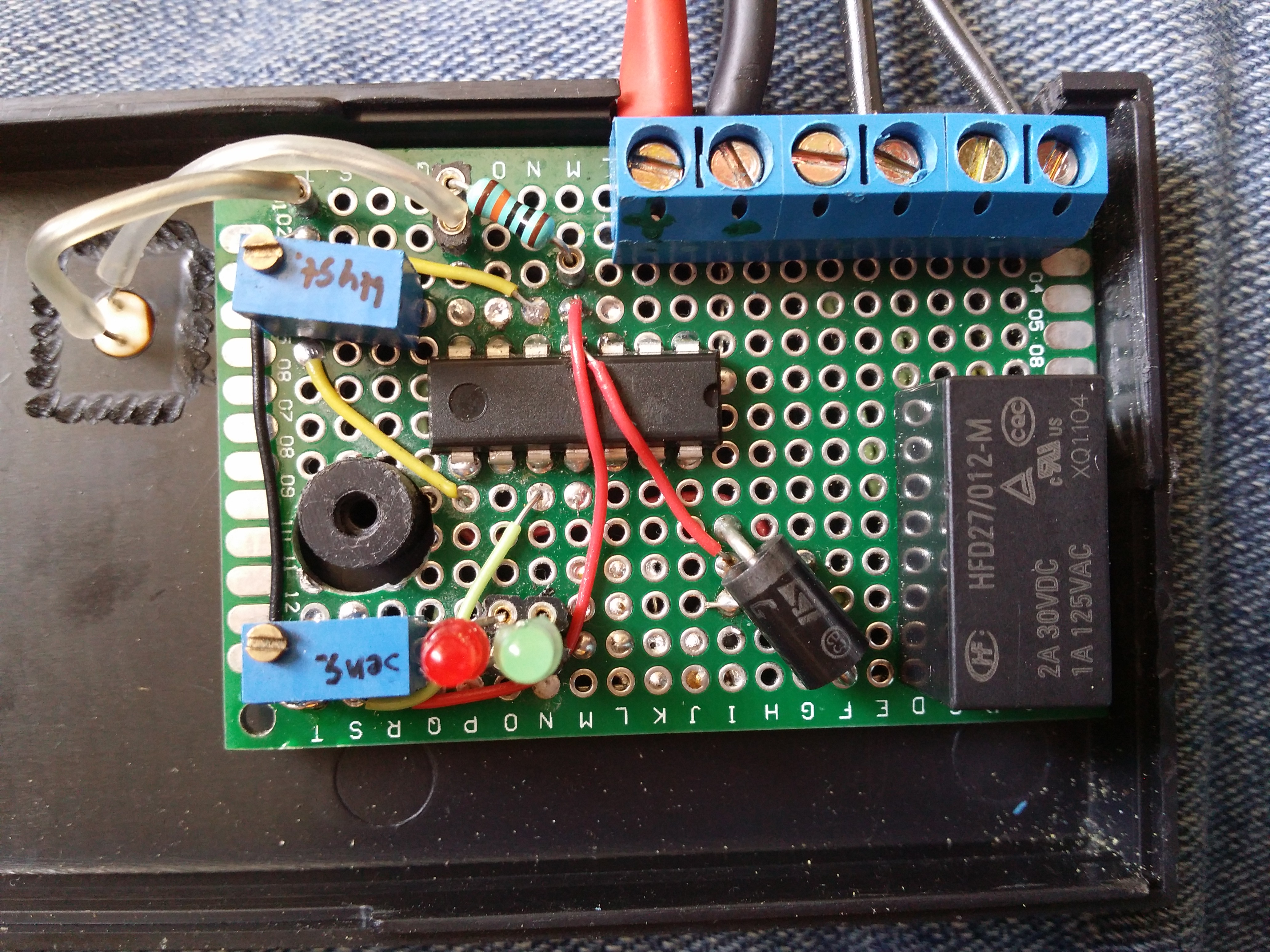
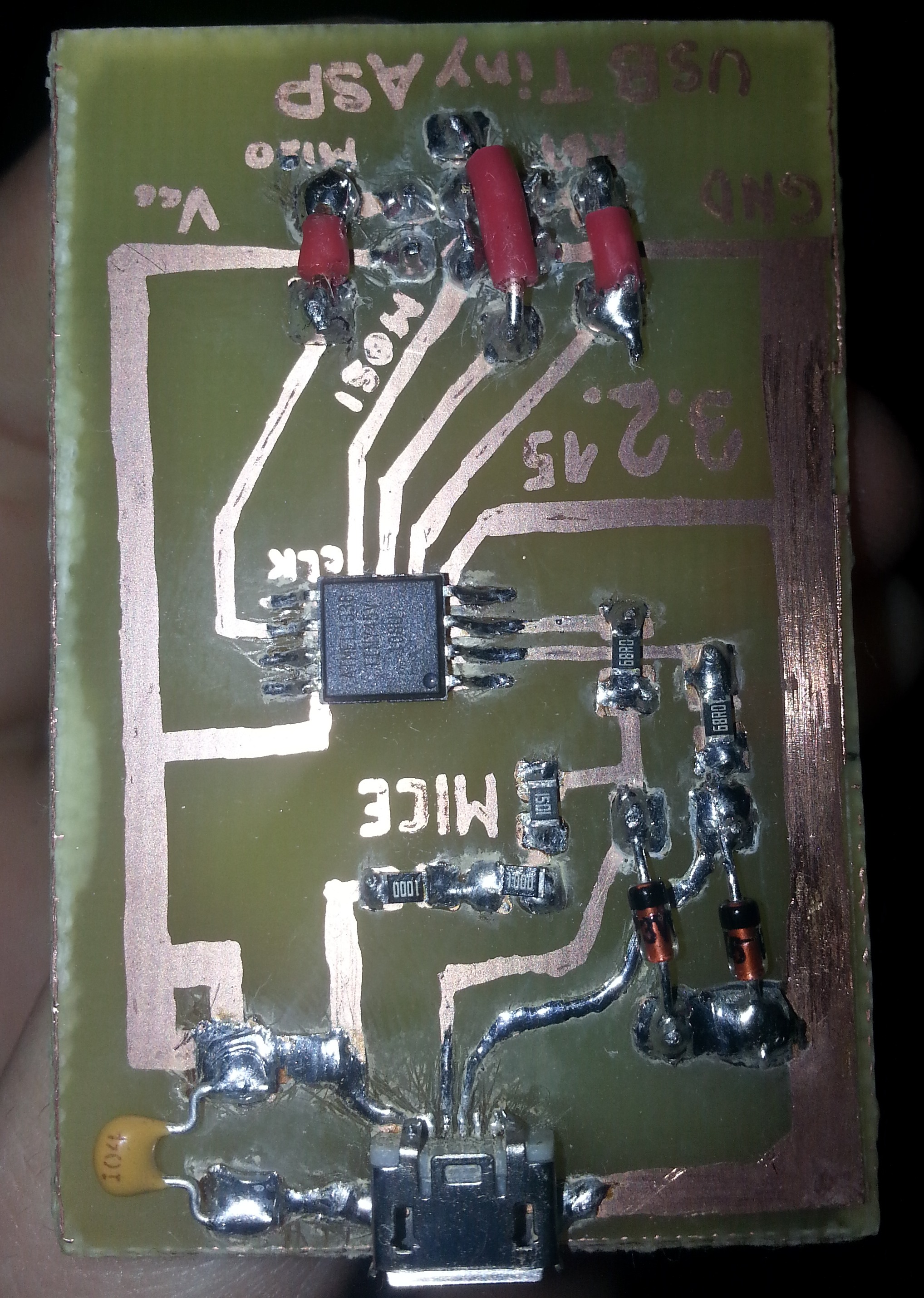
-Sunset detection switch and my version of USBTinyISP
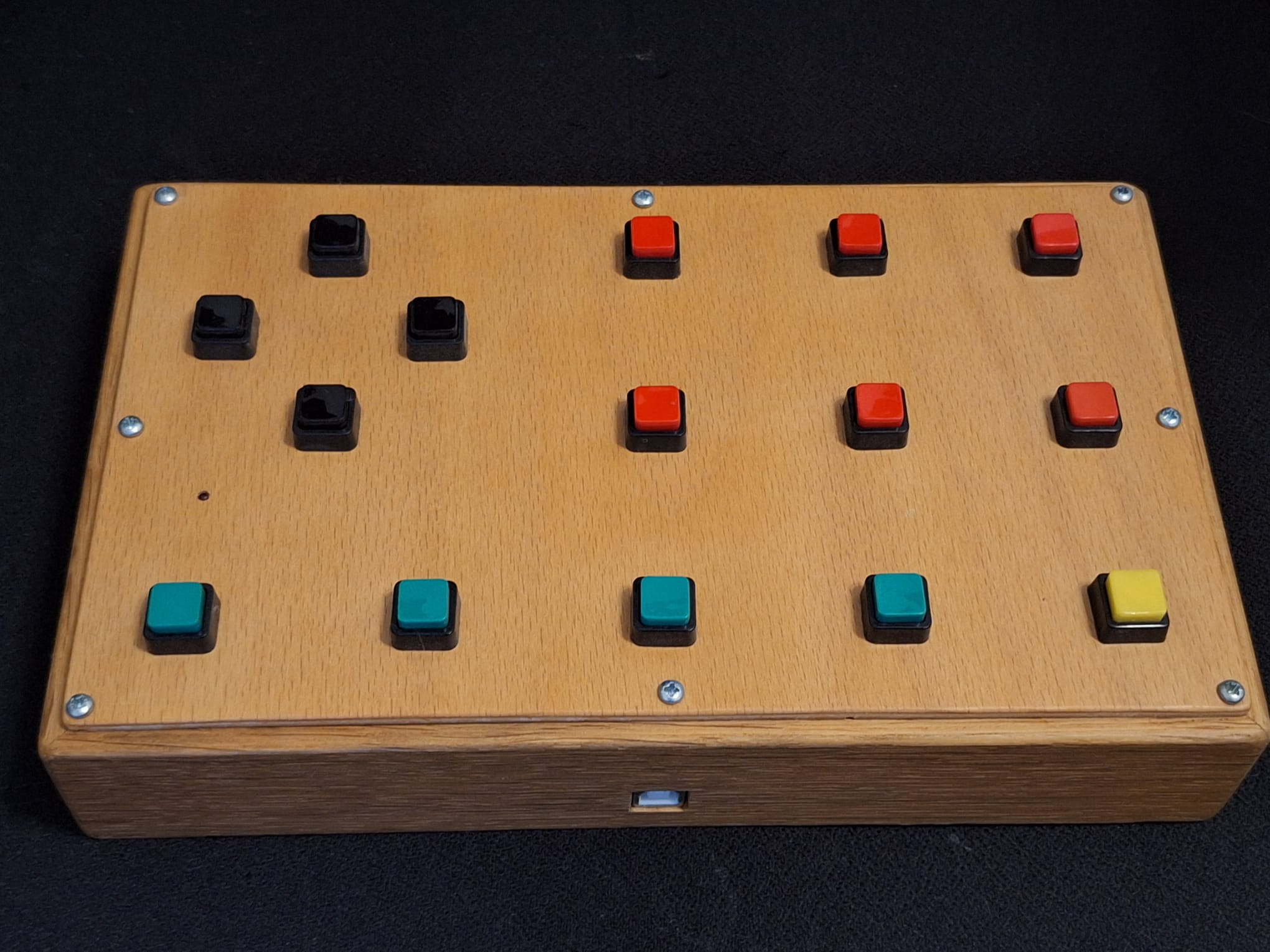
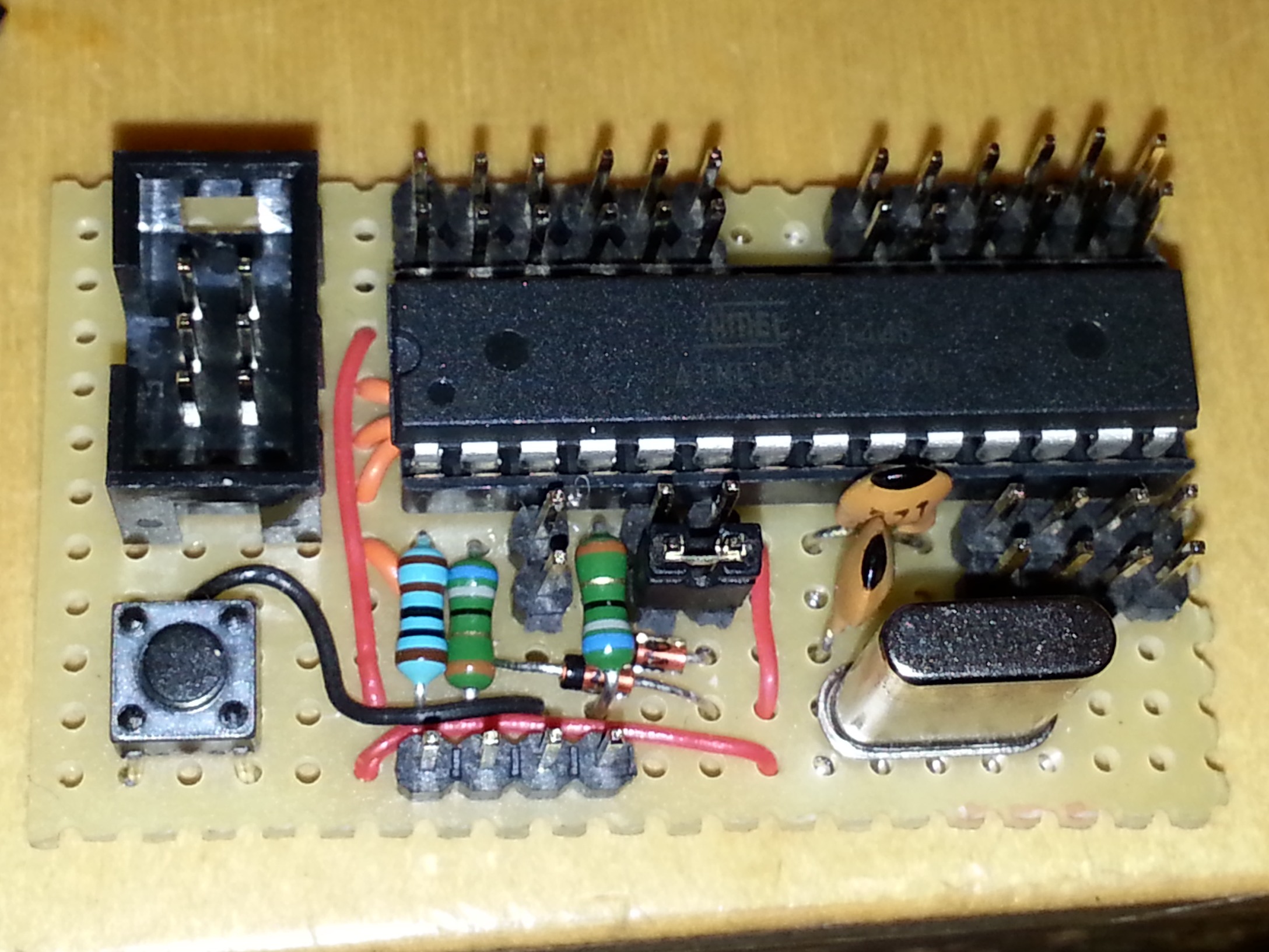
-AVR-based USB keyboard using the vUSB library - Foot-operated controller for the Rocksmith game.


-Missing connector won't stop me and I can get creative when probing.


-Flash isolator using optoisolator for triggering very old flashes and strobes with dangerously high trigger voltage (which can often be hundreds of volts).

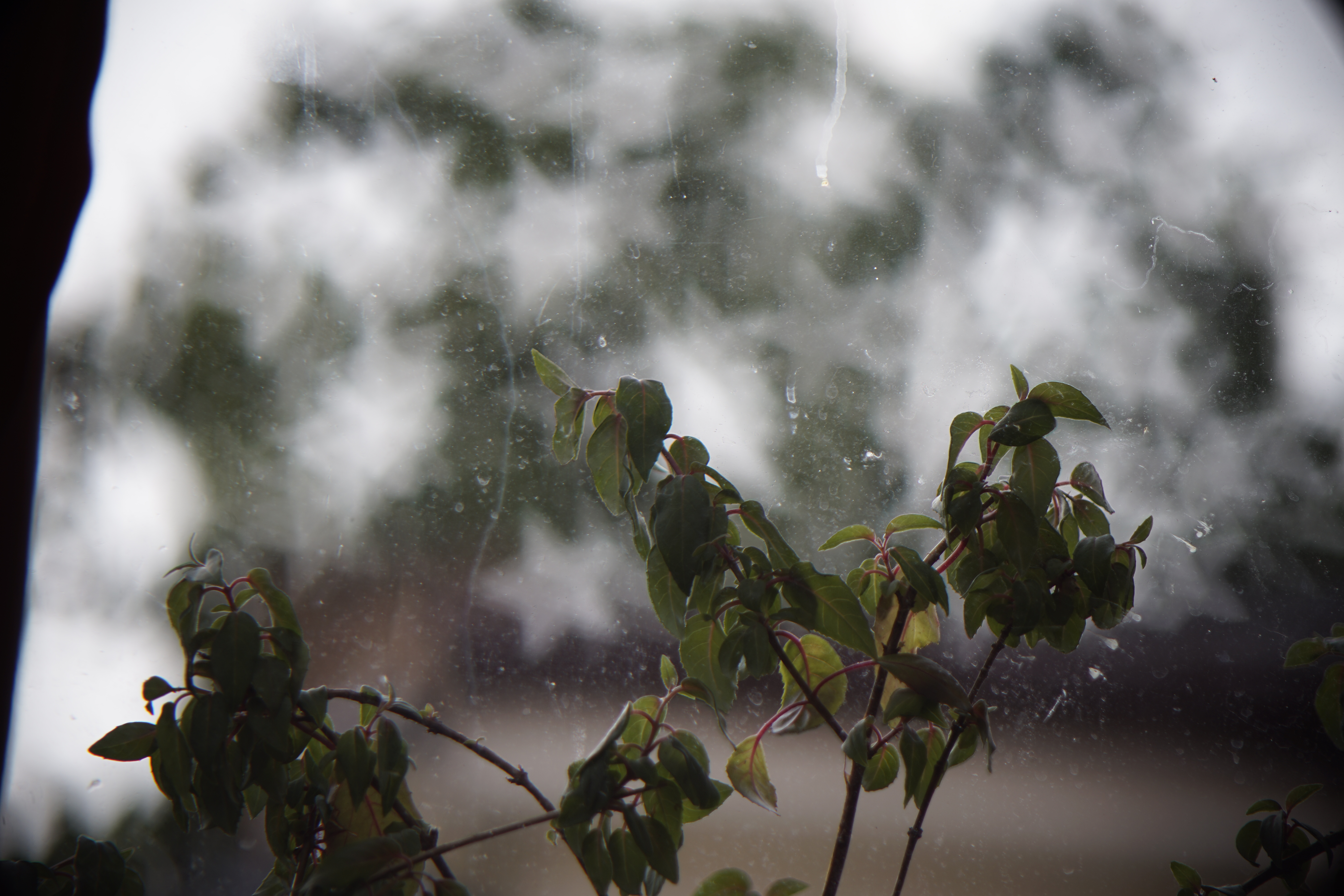


-3D-printed star filter on a vintage Minolta-MD-mount lens adapted onto Sony E-mount camera using a 3D-printed adapter. Also few shots using the star filter.


-3D-printed lens-mount adapter from Minolta-A lenses and Sony-E cameras and a 3D-printed lens-cap.


-When needed, I'm ready to disassemble a camera, vintage or modern, all the way down to the shutter. Pictured: Praktica BC1, Sony Mavica FD95 and Lumix DMC-TZ100.


-Dummy battery for battery-less continuous camera operation.

-3D-printed setup for scanning of film negatives using a digital camera.

-Cable clips


-Modular drawers.
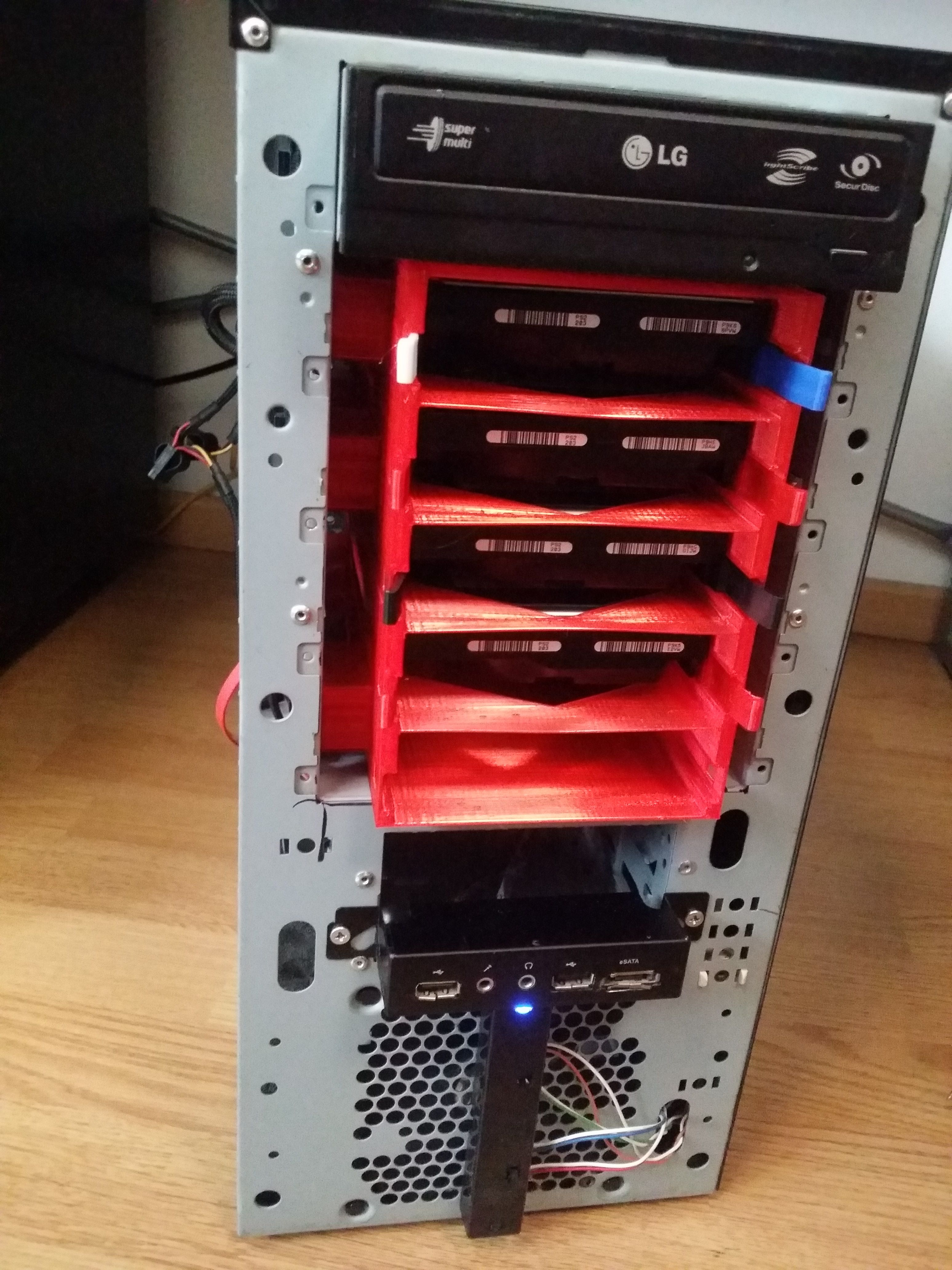
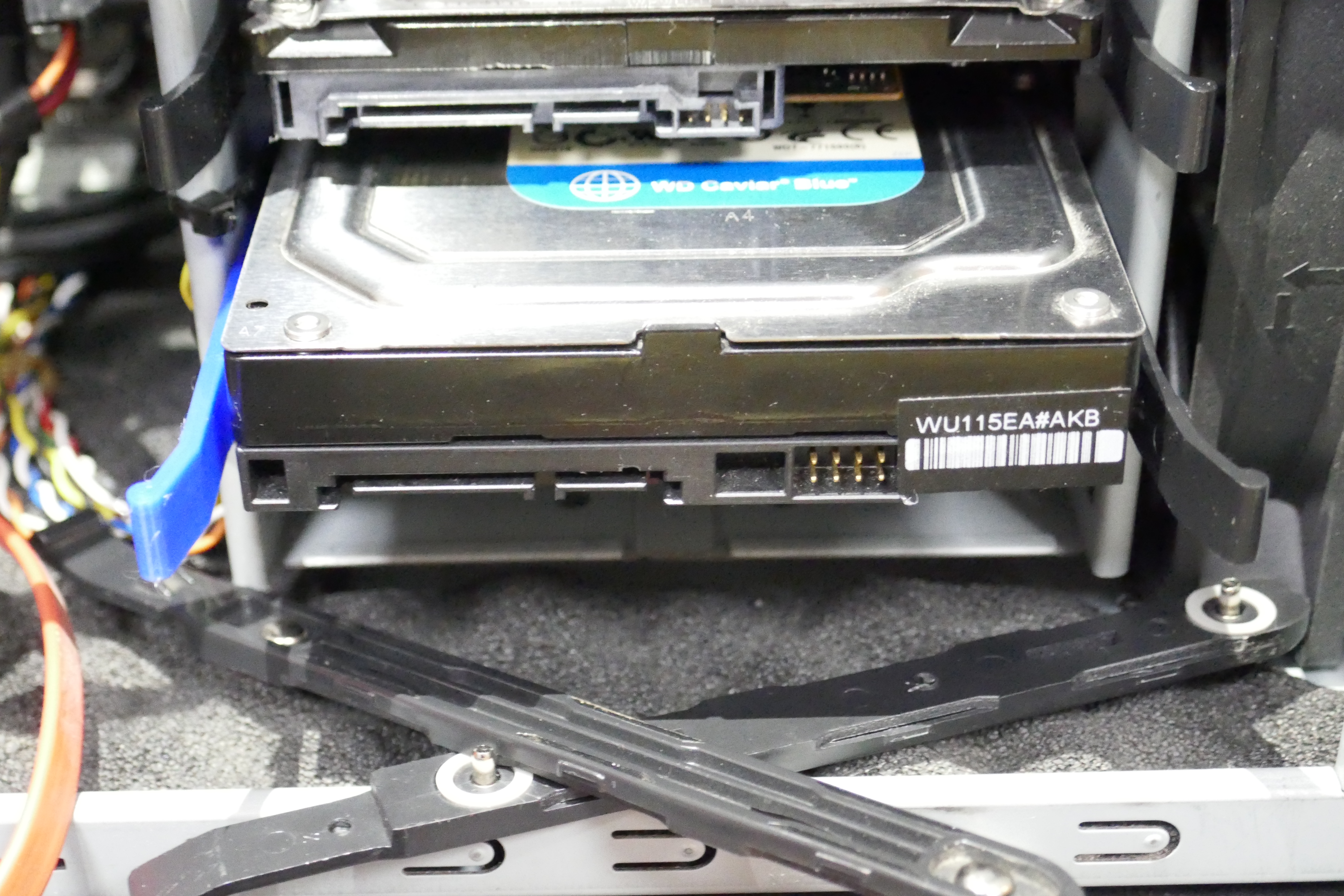
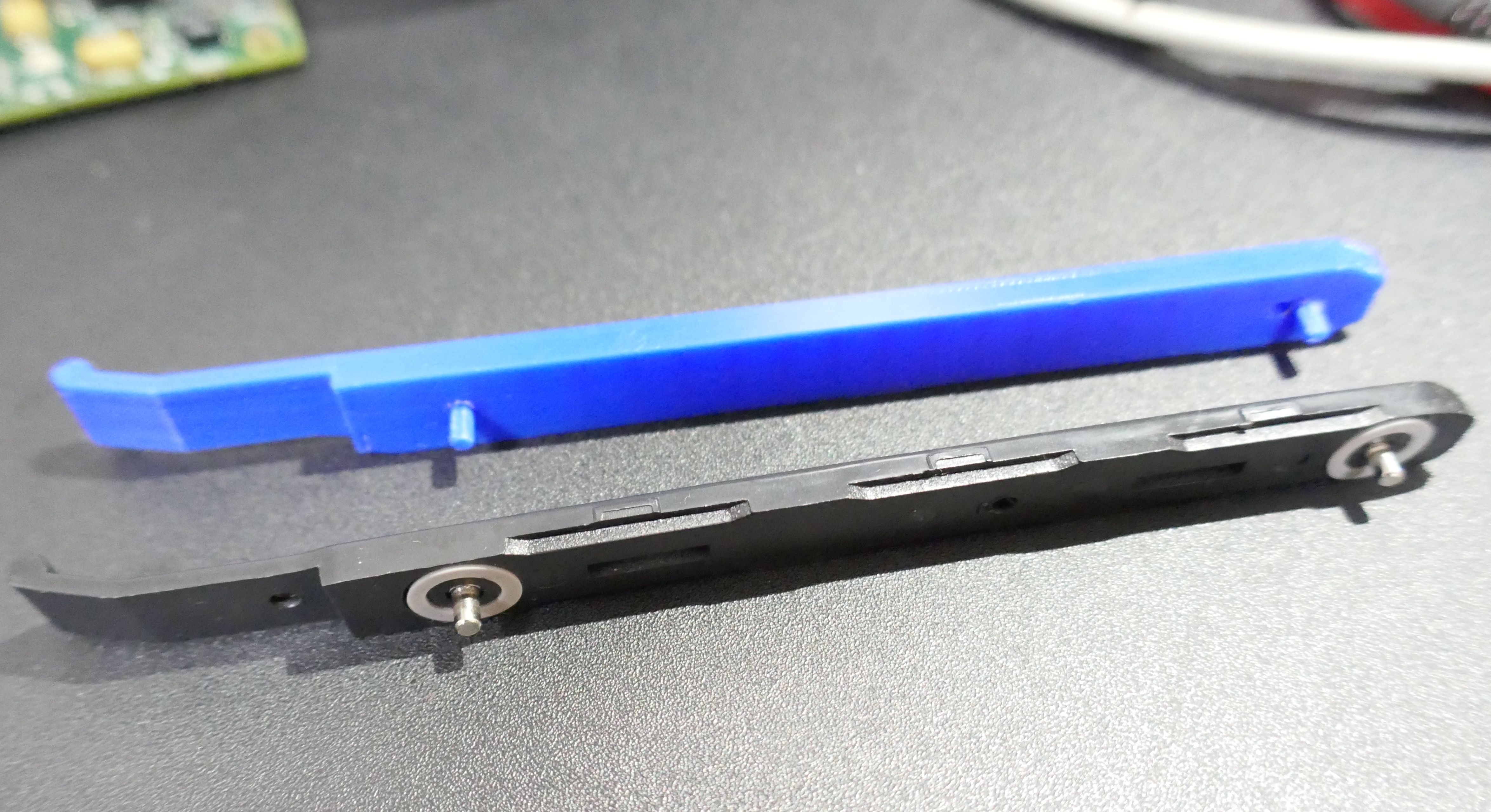
-Replacement HDD railes and whole HDD cage using same rails.


-Successful glasses repair. The new 3D-printed hinge proved to be way more durable than original weak part.


-Replacement casing for access-control RFID chip, tube for storing small DIP LCDs.


-Bicycle mirror holder.


-Drill handle, lid hangers.


-Shower door knobs, shower-rod-mounted baskets.